Why I think the Growing Inventory of Older HDB flats is a Hot Potato
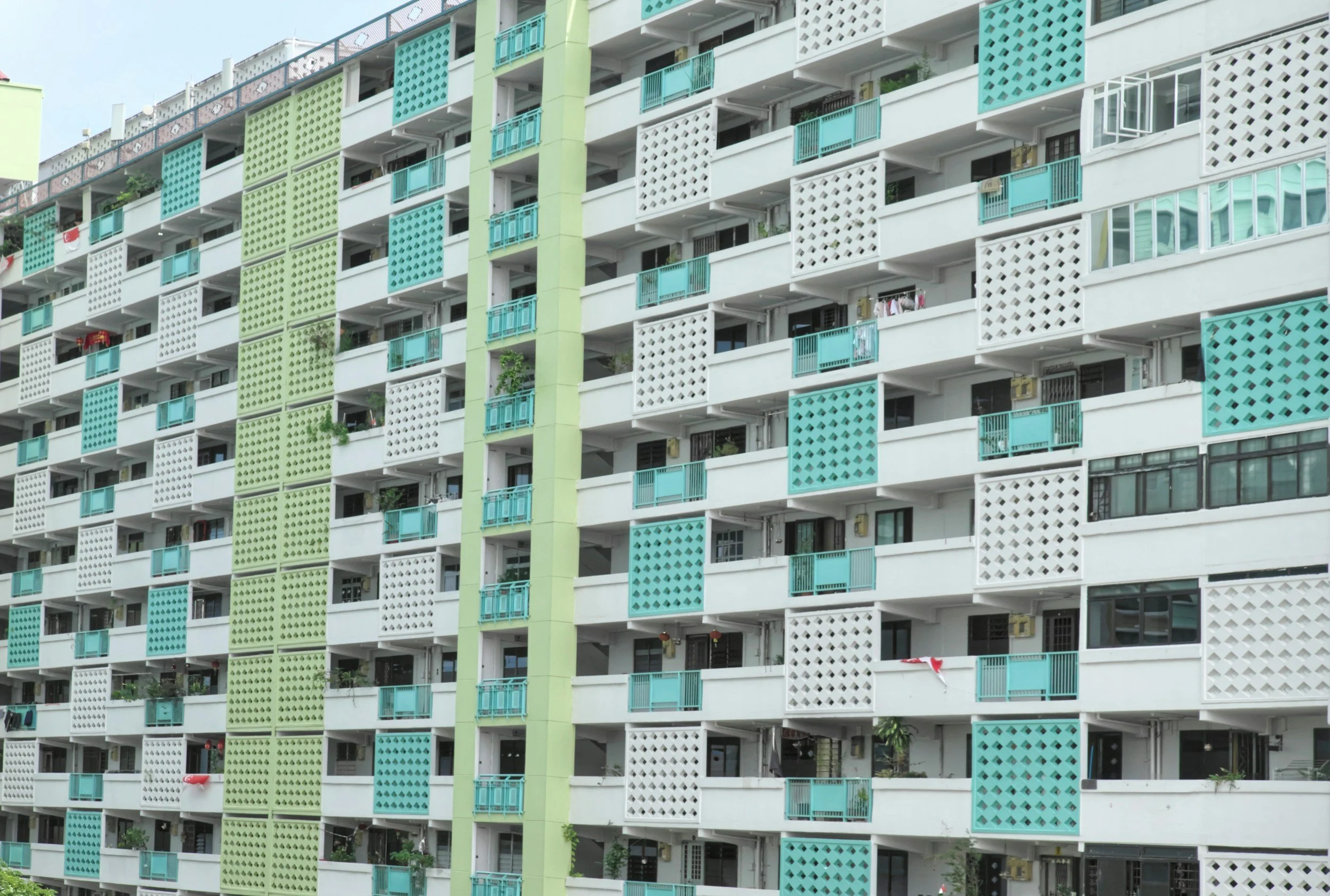
As Singapore turns 62 years next year from independence, the number of older public-subsidised properties we know as HDB flats has also grown rapidly. To date, about 335,000 flats, of the whole inventory of 1.13 million units are 40 years and older, making up nearly 30% (29.6% to be exact) of all flats, and the number of older flats will only increase with every passing year. Increasingly, owners of these old resale flats have to seriously consider if they should continue holding on to these assets as lease decay sets in, or whether they are better off selling the flats, and sooner, rather than later. Furthermore, even when these flats can be passed to the children upon the owners’ passing, most adult children, having earned sufficiently to buy a property of their own, would also be unable to own these flats as a second property given our public housing laws.
In an informal survey I conducted amongst some agent friends, I found that the general consensus was — the listings of older flats attracted far fewer enquiries and consequently, fewer viewings. How fast these units could be sold, however, varied according to the condition and pricing of these flats. If some of these flats had extraneous factors such as road, MRT, or building construction near them, they could move really slowly in the market, from 6 months to 1 year, and this was painful for agents who had to use substantial marketing dollars for a longer period to bump up their property listings and attract more eyeballs. It can also result in a ‘negative sale’ for agents when the cost of marketing (and time invested) outweighs the remuneration earned from the HDB sale.
Most young buyers below age 36 would also not seek out such old flats, as they would only be granted a pro-rated loan rather than a maximum loan, given that the lease of the flat cannot cover the youngest buyer to age 95. This effectively narrows the pool of potential buyers, as a substantial cash outlay to buy an older HDB flat may be difficult for a young couple who may have worked for only a few years in their careers. So those who may want to buy such flats tend to be slightly older singles or couples, or retirees looking to right-size their homes, who favour the convenience of location and the spaciousness of these older flats. They also know that realistically they cannot expect these older flats to keep appreciating in value as the lease shortens further with time.
Although older flats in more central areas and say, within walking distance to an MRT or within 1km of a popular primary school may still hold good value currently, no one has a clear picture of what would happen when these flats are 70 years of age, as the government is still working on the policy and details surrounding the Voluntary Early Redevelopment Scheme (VERS). What we know for certain is that the government currently has no plans to continue its Selective En bloc Redevelopment Scheme (SERS), so flat owners hoping for a windfall from having their flats selected for en bloc redevelopment would be better off… buying Toto instead (or betting on horses, or football… well, you get the idea.)
Rather than wait for the government’s plans on VERS to be announced, which could take a few more years, given that the government aims to launch the first VERS projects in the first half of the 2030s, I think it makes good sense, to move ahead of other owners with similar older flats, and swop for a flat with a longer lease now (or soon!). If budget is a concern, then down-sizing or moving to a more suburban area can be options worth a serious consideration. It is understandable that these suggestions may be met with some resistance as some may prefer a more spacious flat or a more central location with good amenities for better livability. What i am concerned about though is protecting the value of one’s property asset, since a property is usually bought with one’s hard-earned income. Given the increasing life expectancy of Singaporeans (currently it stands at 83.9 years on average), we do have to prepare for longer years in retirement, so learning how to leverage on your property portfolio may help you grow your retirement savings, or have more to pass on to the next generation.
Given that VERS is voluntary and requires a majority threshold to proceed, not every old flat can eventually be replaced in reality. The payouts would be substantially less generous than SERS flats, as the latter are in premium locations with high transformation potential. This could mean that besides the payouts, a cash top up out-of-pocket may be necessary for a seller of a VERS flat to buy a newer resale flat. Since it is only a matter of time for one to find a replacement flat with a longer lease, why wait till everyone else has to do so? Do so earlier, before the inventory of older flats accumulates even more in supply, and these flats take even longer to sell. That way, the value of your asset can be better protected, and it would be a bonus, if the newer resale purchase appreciates in value as well.